Gaudeamus Festival. Exposición Resisting Waters.
https://gaudeamus.nl/en/resisting-waters
RESISTING WATERS: Maria Sappho – Rivers and Other Mother Tongues (installation)
Rivers and Other Mother Tongues is a new site-responsive iteration of ZEMI. A participatory textile instrument inspired by the concept that the Taíno people of the Caribbean have of their ancestral spirit zemi as a vessel for memory, story, and ancestral knowledge. Visitors engage an evolving sonic landscape by moving across the carpet, encountering stories shaped by journeys across rivers, oceans, and generations. Through participation, the work asks what is lost, transformed, remembered, and reimagined as people, cultures, and other living things travel, meet, and find new homes.
Maria Guerra Sappho is a Nuyorican (Puerto-Rican from New York) composer, improviser, and instrument designer whose work explores diaspora, cultural memory, and the entanglements of bodies, technologies, and environments. She creates performances and installations where the human and the more-than-human meet to co-author creative worlds.
Rivers and Other Mother Tongues is on view at the basement of Instituto Cervantes from Thursday 10 to Sunday 13 September and is part of our installation program Resisting Waters.
RESISTING WATERS: Caro de Valk – Intertidal zone(s)
It is impossible for life to exist without water. Its flow is essential for our survival. For as long as time, humans have centered their lives on water currents and wind oscillations. For our installation programme Resisting Waters, artist and musician Caro de Valk presents the timeline of the shore in a rhythmic installation, containing mixed perspectives on what moves with(in) water.
Intertidal zone(s) is an installation with pieces of textile, metal, and glass, resembling flora and fauna that can be found in- and under specific tidal areas of the Netherlands. From small details of microorganisms, ecosystems, to the broader scale of the effect water has on our planet, a playful moment of hope is shared while simultaneously showcasing what might vanish in the future.
Festival
RESISTING WATERS (installations)
Thu 10 SepUMU
Part of:
Gaudeamus 2026 Thursday29.00 – 44.00 entrance
Partners
Universiteitsmuseum Utrecht
Residenties in Utrecht
KWR Water Research Institute
Resisting Waters reflects on the social, political, and spiritual aspects of water infrastructure in a four-day programme featuring sound installations, performances, and in-depth exploration. Including from Thursday 10 to Sunday 13 September installations in the Universiteitsmuseum Utrecht by Mariko Hori, Nischal Khadka & Merel Maan Galama. Click here for the full programme of Resisting Waters.
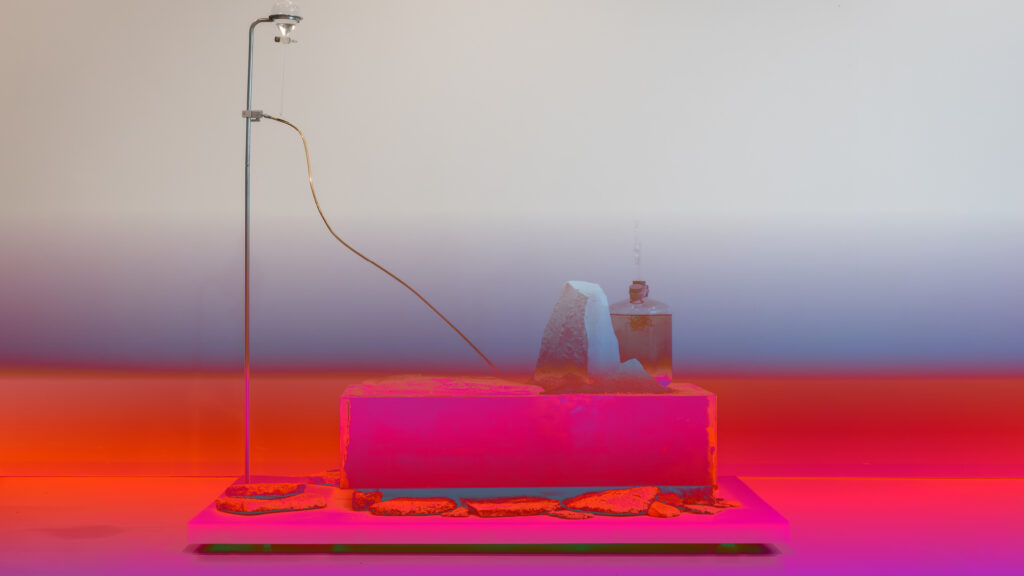
Mariko Hori – Forever in Different Ways
Forever in Different Ways is an interactive installation by Mariko Hori that imagines a world beyond environmental tipping points, where water no longer behaves as expected. Visitors offer droplets of water into a landscape that resists, redirects, and slowly transforms through their actions. Developed in collaboration with scientists from KWR Water Research Institute, the work forms a part of our installation programme Resisting Waters and reflects on uncertainty, ecological fragility, and the possibility of acting even when outcomes remain unpredictable.
Mariko Hori is a Japanese-Dutch multidisciplinary artist based in Amsterdam, working across installation, performance, and socially engaged, research-based practices. Trained in architecture, she creates spatial works that deliberately blur boundaries between human and more-than-human worlds, exploring existence as something formed through relations rather than as a fixed state. Water has become central to her recent thinking – as both material and metaphor, something that archives history while eluding clear definition.
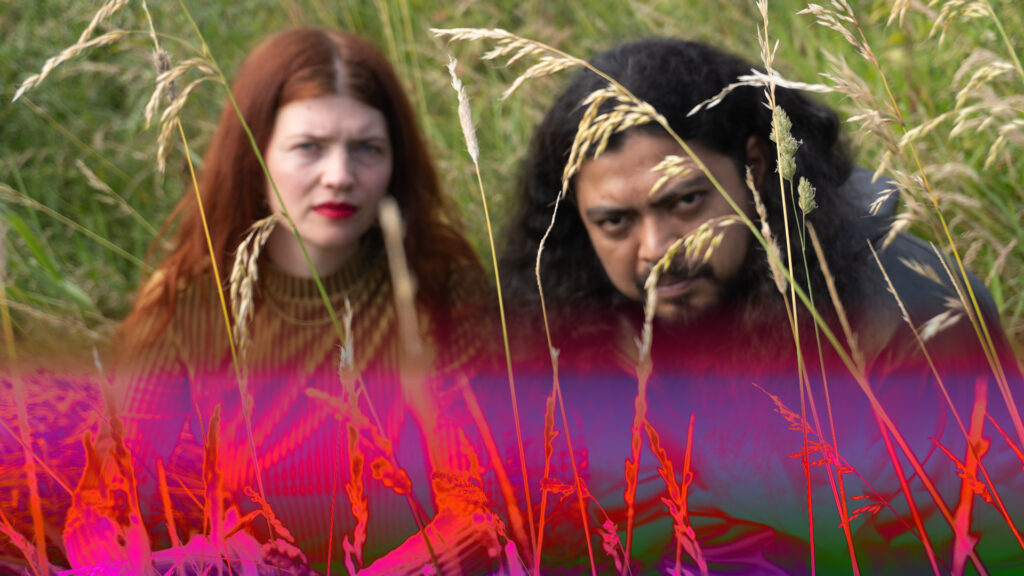
Nischal Khadka & Merel Maan Galama – Sacred Ecohydrology
Sacred Ecohydrology by Nischal Khadka and Merel Maan Galama is a sound installation on display from Thursday to Sunday at the Universiteitsmuseum Utrecht, guided by a listening encounter on Sunday, developed during an artist residency as part of our installation programme Resisting Waters.
Khadka grew up in eastern Nepal near Saptakoshi (“seven rivers”), one of the most unpredictable river systems where water reshapes landscapes and carries ecological, spiritual and indigenous histories. Growing up in the Netherlands, Galama observed how water is managed through an engineered landscape shaped by centuries of flooding. From these backgrounds, the work delves into water landscapes, bringing Himalayan river cosmologies into dialogue with Dutch engineered water systems.
Among the field research a water creature emerges, doomed as invasive. Characterised as aggressive. Labeled as disruptive. The impact of this creature results in massive ecological damage or a testimony to water as a living relation with the irony of the depth of life and survival. The gathered field recordings of ditches, canals, rivers, wetlands, pumps, sluices and submerged environments reveal how listening can acknowledge the tensions between coexistence and control.
Nichal Khadka and Merel Maan Galama were selected from an Ulysses Open Call, in collaboration with Residenties in Utrecht and the University Museum. This residency is part of the Ulysses Platform, co-funded by the European Union.
Yonca Yildirim – Ecotone
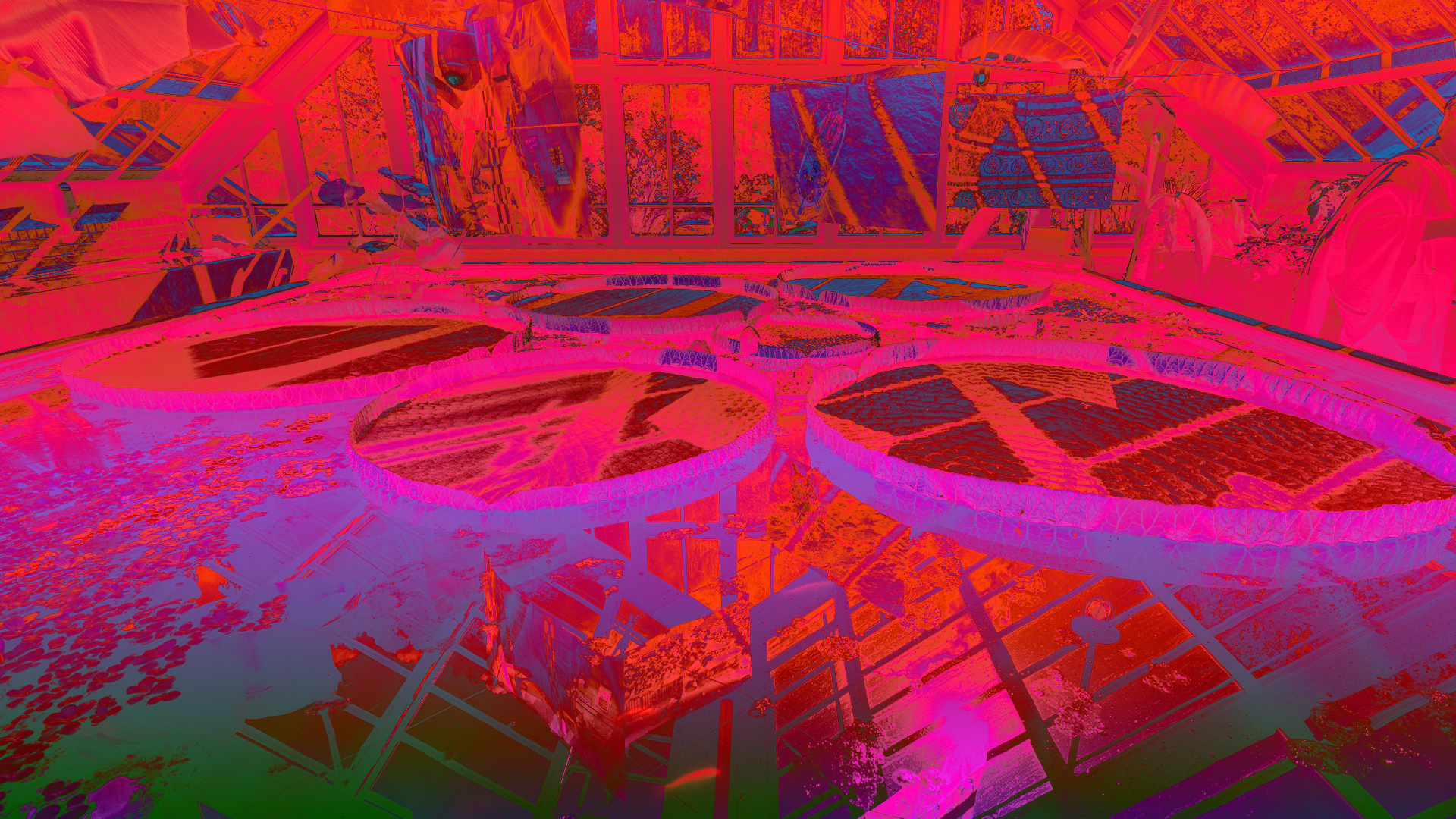
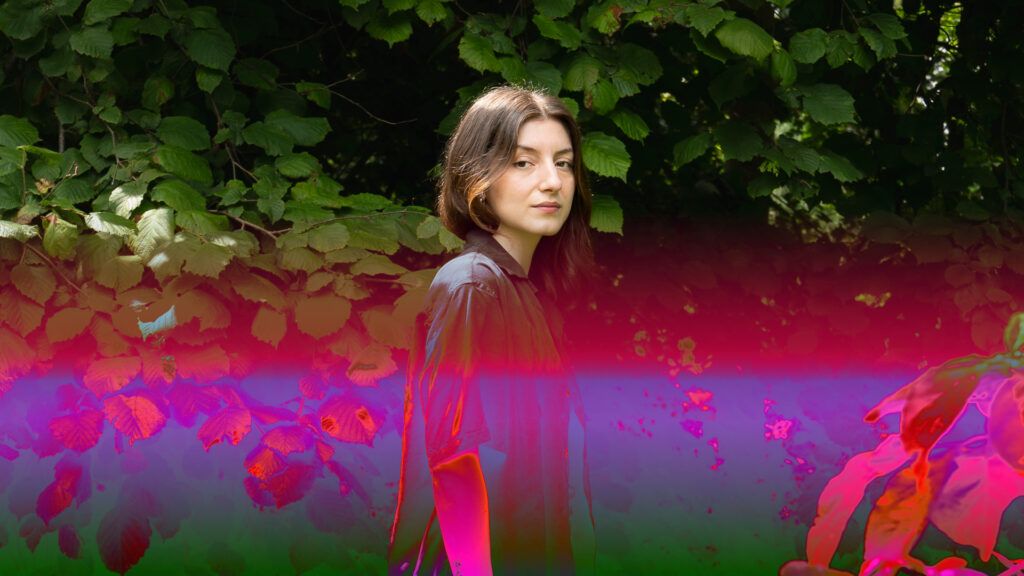
For our installation programme Resisting Waters, Yonca Yildirim brings her research series Ecotone into the greenhouse of the Oude Hortus. The installation works with the greenhouse as architecture, its machinery, its symbiotic relation between plants and water, integrating these as active components. Sculptures engage with the materiality and perception of water, placed in direct relation to the living ecosystem of the space. A sound composition weaves together field recordings, pointing to the interconnectedness of ecosystems.
Yonca Yildirim, based in Cologne, works in the fields of installation, sculpture, photography and sound. Her practice is rooted in the material and the contingent nature of sound and its emergence through the encounter of surface, form, environment and perception. Working with materials such as metal, glass, ceramics, ice or wax that carry and transmit meaning through their physical properties, she explores how sound exists in layers within any environment, activated through transformation and encounter. Through expanded listening practices, she attends to what exists outside the threshold of human perception.
Stijn Demeulenaere – Zijlijn / Linea Lateralis
In the North Sea, under water, sight is limited, often just a few meters. Sound, however, travels much much further under water. The underwater world is a true sonic world, a language that is often beyond comprehension to us. The North Sea is also one of the busiest seas in the world. Almost every inch of it knows some form of human occupation. Therefore the North Sea is one of the loudest in the world: full of noises from the countless ships, but also from drilling, oil rigs, the construction of wind farms, fishing, and fish farms. How these sounds might affect wildlife, is still being researched.
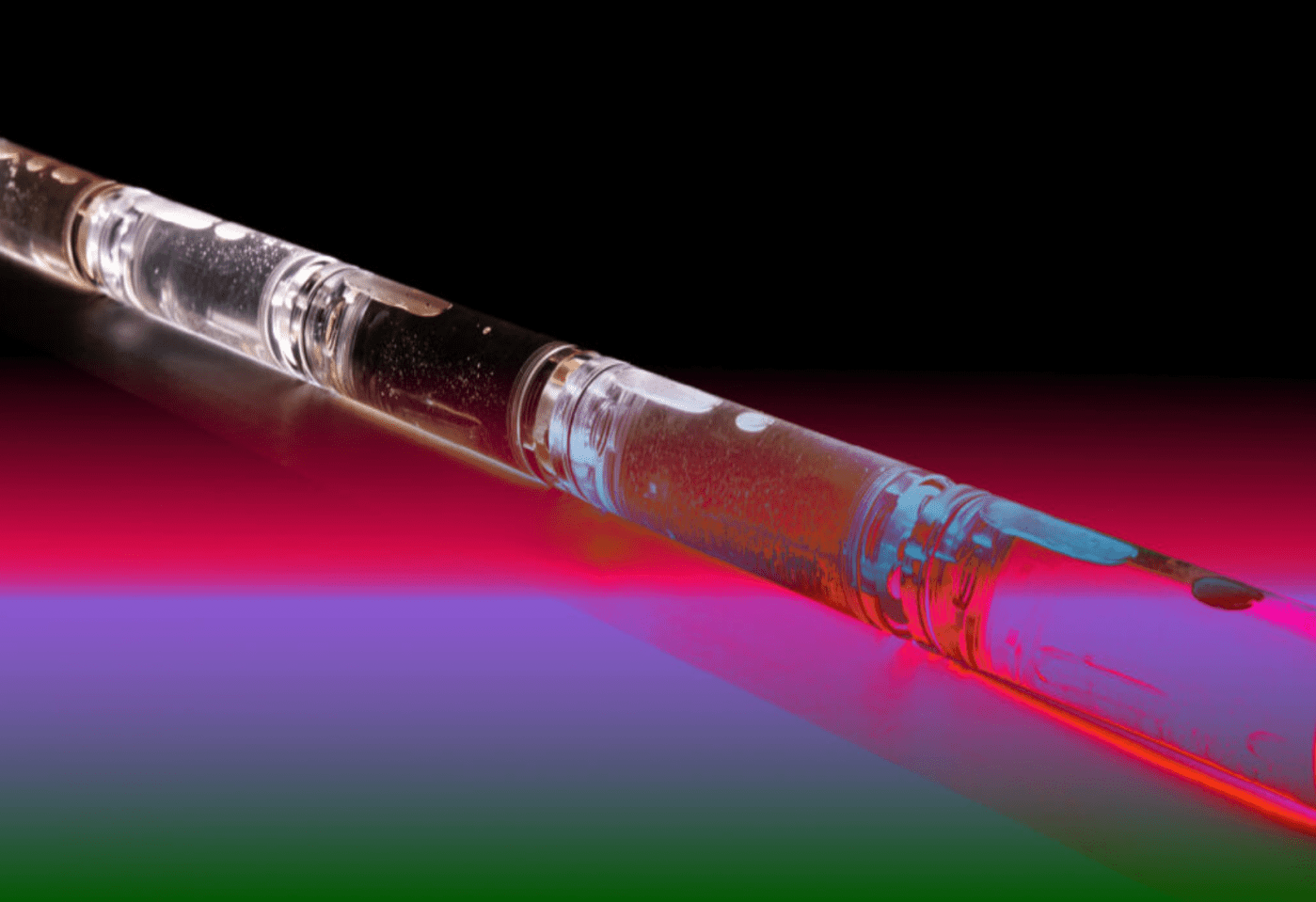
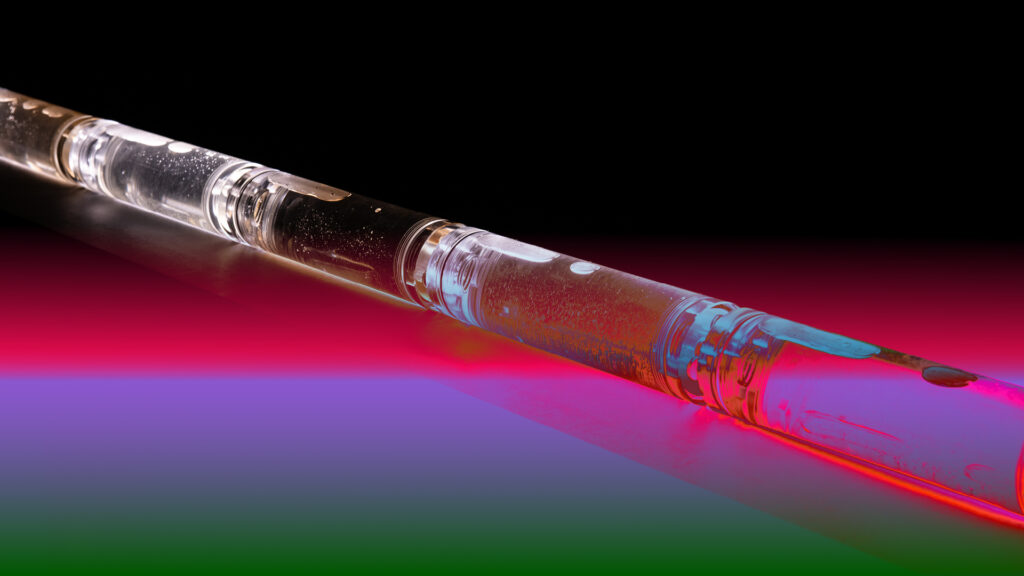
Zijlijn / Linea Lateralis by Stijn Demeulenaere, an award-winning sound artist from Belgium with a background in sociology, journalism and radio, is an artistic research into the relationship between the biophony (sound made by marine life) and the anthropophony (sound springing from human activity). Underwater sound recordings at the southern and northern borders of the North Sea are played through 6 speakers, confronted by 9 seawater samples from the recording locations, held in plexi containers, evoking the envelopment of the sea in an ocean of noise.
RESISTING WATERS: FIELD FLUX – Sonic Leaks (installation)
Sonic Leaks by the transdisciplinary art and research collective FIELD FLUX is a sound installation that can be seen as part of our installation program Resisting Waters.
Sonic Leaks listens to the shape of water and the power that gives it form: the water moving through a system, and the politics of the container that decides where it can go. Wherever water is enclosed – the pipeline, the dam, the metered tap, the gated reservoir – the same conversion repeats: a public substance becomes a saleable container, abundance for those who can pay and stagnation for everyone else. Accelerated, that logic makes water infrastructure a military target, like with the Kakhovka dam in Ukraine, strikes on Gulf desalination plants in the current US–Israel attack on Iran, and Gaza, where data indicate nearly 90% of water and sanitation infrastructure has been destroyed or damaged in the ongoing genocide.
How do we listen to the systems that decide who gets to drink? Each container’s resonance, absorption, and diffusion carries the relations of power that placed it there, treating acoustic impedance as a political parameter. A leak is the first failure you can hear: the moment an enclosure stops holding, where pressure finds the crack and the sealed system gives itself away. To hear a leak is to hear power overreach its own containment. A leak is also an opening: a place where a closed system can be entered, and redirected.
 On geomancy and sound
Deja un comentario